
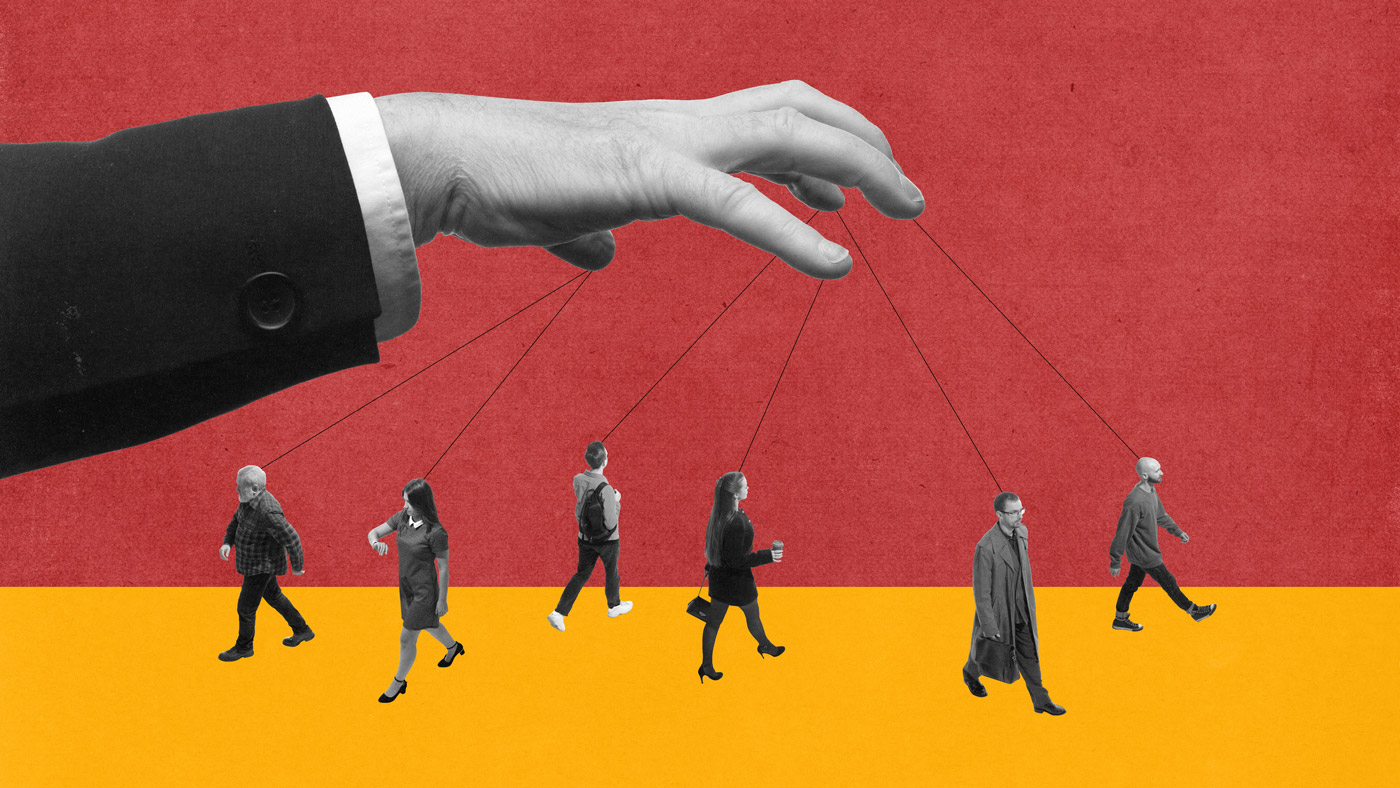
The severity of these attacks leaves victims blinkered to the bigger picture. Nevertheless, clients need to appreciate the relevant contexts and patterns. What lies behind some of the smear campaigns against corporates and individuals? There will always be particular circumstances in each case that can explain specific hostile actions, so it is not possible to offer firm and universal conclusions; instead, we can identify some key drivers from the wider geopolitical context.
Differing levels of campaigns: geopolitical, market and individual
In the last year, authorities and media have repeatedly flagged how the West is subject to assault from Russia, China, Iran and other hostile states in the form of hybrid warfare. This comes in many forms: cyber-attacks (particularly disruptive ransomware or DoS attacks), disinformation, subversion of democratic processes, disruption of undersea cables that serve as the arteries of global communications, and attacks on public in- frastructure. We have also seen physical attacks on the facilities of corporates, particularly those indirectly supporting the Ukrainian war effort, and even on senior business figures. This is geopolitical warfare that does not distinguish between the public and private sectors. The blurring of these lines makes it all the harder for Western governments, already struggling to calibrate and pursue commensurate counteraction at state level, to respond, even where they can be certain in their attributions of responsibility.
For hostile actors, Western companies and leading businesspeople can be legitimate targets at a strategic level. That is clear enough when we recall assaults on European arms factories or the cyber-attacks conduc- ted this summer by Iran-affiliated actors against US water supply systems and a UK power plant. Less obvious, but increasingly prevalent, is the effort devoted by hostile states and actors to sowing confusion and fear in business sectors they see as crucial to meeting their strategic objectives. These sectors generally involve critical resources, such as energy, new technologies and rare minerals, and threaten security and supply chains.
In the last six months alone, we have seen four distinct instances of multinational com- panies operating in strategically important sectors – mining, oil and gas, and techno- logy – falling victim to smear campaigns instigated by state-aligned hostile actors. By identifying the people and motivations behind the campaigns, compiling documenta- tion to rebut false allegations, and engaging with our clients’ financial counterparties, we have worked to rebuild the relationships threatened by these unfounded attacks.
Within post-Soviet Russia, political and commercial disinformation grew up together. The techniques and practices of Black PR, including disseminating damaging material via low-quality pay-to-play tabloid sites, were applied to politicians and corporates alike during the rapid growth of the country’s inde- pendent media. This has continued recently; it is no accident that one of Yevgeny Prigozhin’s lieutenants at his online troll farm ran the Reputation Management Center, a firm that catered exclusively to private clients. Meanwhile, out of China, an enormous online disinformation network, known as Spamouflage or Dragonbridge and widely believed to be sponsored by the PRC government, has been documented targeting various private-sector entities in recent years. This includes interference in the critical minerals industry, such as publishing disinformation about US and Australian companies, in line with China’s strategic objectives. In a similar blend of public and private sector interests, Tehran has threatened and conducted hybrid activity against Western tech, aviation and energy companies during its own continuing conflict with Washington.
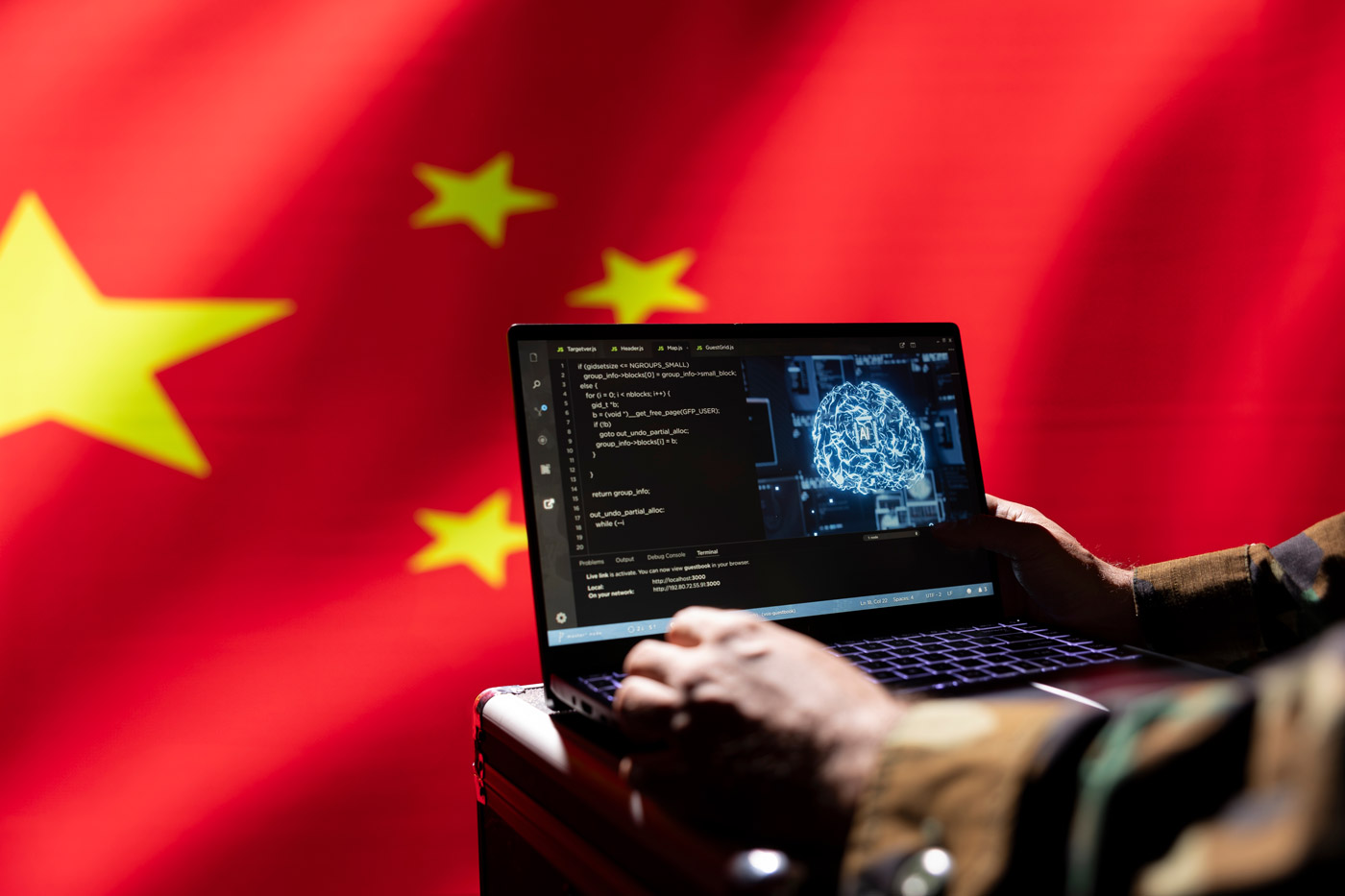
The campaigns here should not surprise us. Hostile states and actors are employing at a tactical sectoral le- vel, where their national security interests are closely engaged, the same asymmetric methods they deploy more strategically. As on the more visible international stage, a relatively small investment in disruptive activity can have a disproportionate impact on a particular market by sowing confusion, or on specific Western businesses by imposing heavy costs and diversion of effort, as well as potentially inflicting endu- ring reputational damage.
Hostile efforts to reshape the marketplace and global supply chains
This market phenomenon is becoming increasingly visible. We have witnessed hostile actors seeking to squeeze competition from markets, especially those involving scarce resources. Their methodology is to apply financial and reputational pressure on unsuspecting Western companies or individuals, using easily deniable tactics, such as online fabrication, false allegations, smear campaigns, hacking and the use of organised crime groups. Companies that construct robust compliance procedures to prevent money laundering and sanctions-breaking, nevertheless often pay insufficient attention and resources to such micro-level attacks. Left unattended, these frequently entangle corporates and individuals in unproductive processes, as they attempt to address the regulatory, official or banking scrutiny that are ultimately triggered by false claims when given currency online. Regulators, sanctions authorities and banks are under pressure to act swiftly in the face of any potential ‘red flag’, and may not have the context or the independent sources of intelligence required to evaluate who and what lies behind the allegations. Robust intelligence and materials, including the verification of the actors, origins and motivations behind a campaign, comprehensive Source of Wealth documentation, and detailed rebuttals to all allegations, are essential requirements to engage with such counterparties.
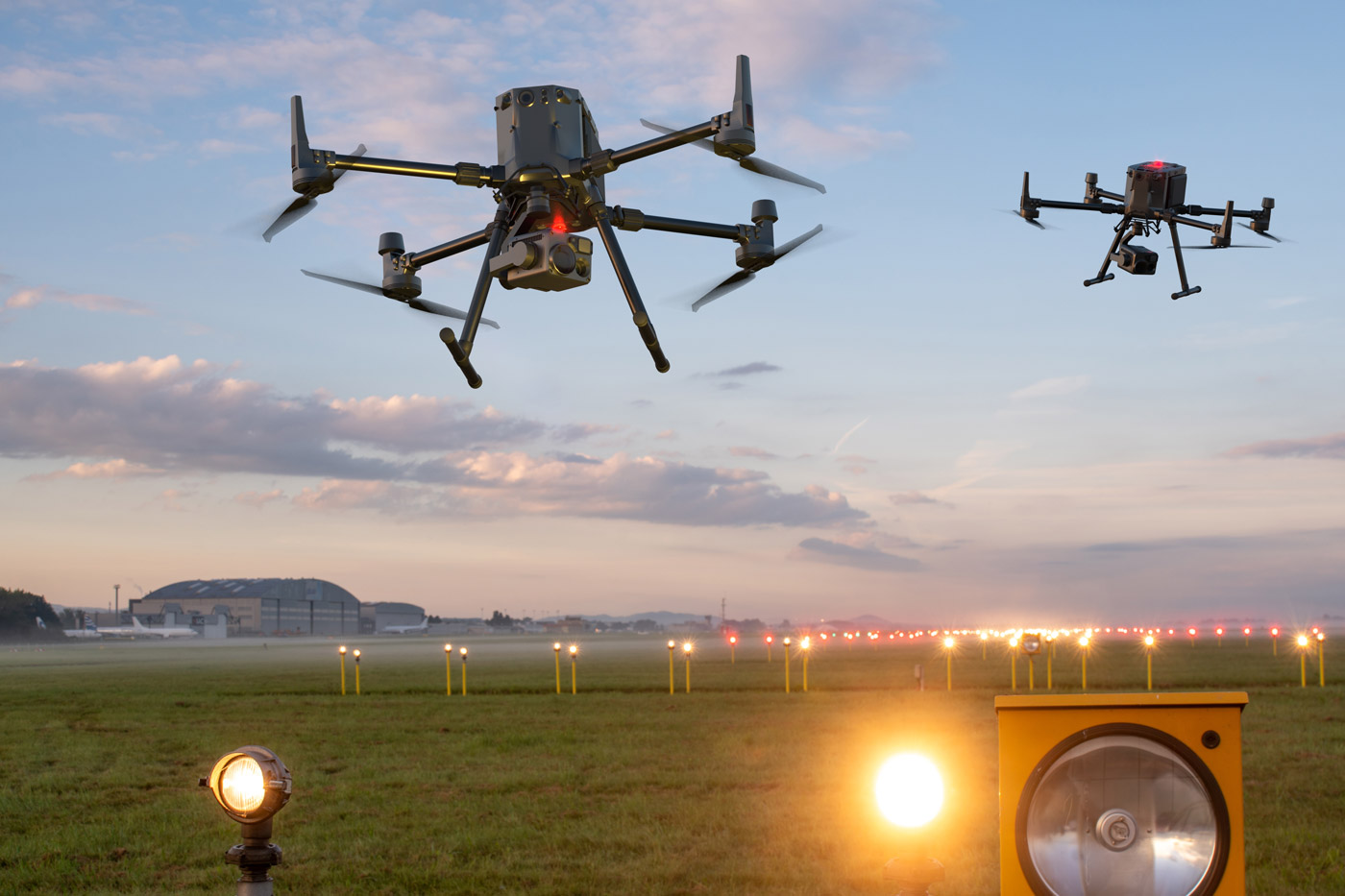
We have seen how hostile states use the instruments of hybrid warfare to probe potential fields of operations by testing opposition capabilities and responses. Russia’s use of drones over NATO territory is currently a high-profile example. In doing this, they aim to shape the future battlefield. In critical sectors too, we have seen hostile actors shaping the marketplace to their advantage through influence operations. Targeted propaganda, market fear-mongering, and cyber-attacks can destabilise an industry and spread an element of chaos by propagating false rumours about supply shortages, fake logistical failures, or simulated bank runs using AI. This is not random mischief; it is a calculated business intervention. As a result, the public and investors can lose trust in a sector or a specific company and insurance costs can rise. Hostile actors create an opening to buy distressed assets cheaply or to substitute their products for their rivals’ in global supply chains. Especially in sectors affected by sanctions, removal of previously available data feeds can place Western compliance and risk management teams in the dark. Compliance costs surge, asset tracking stalls, and Western companies start to pull out of difficult markets to lower their legal and financial exposure. By fostering market anxiety, these actors are working to reshape global supply chains to their advantage.
Conclusion
Smear campaigns are all-encompassing for their victims. Despite the spurious or defamatory allegations upon which they are often based, these attacks are increasingly leading to regulatory and compliance scrutiny, reputational damage, and significant disruption to both funding efforts and commercial operations. Every campaign is different, with its own set of motivations and drivers. However, in order to formulate effective remedial action, it is critical to understand who is attacking you and for what purpose – sound intelligence is vital as well as an understanding of broader trend. The efforts of hostile states and actors to reshape the marketplace in areas that they see as critical to their national security and future prosperity will only increase in a ‘might-is-right’ world of competing spheres of influence. For corporates and HNWIs, appreciating this background is a key step towards preparing and minimising vulnerabilities.